The European Union has taken another significant step toward accelerating its clean energy transition.

In June 2026, the European Commission launched the EU Tripartite Agreement on Energy Storage, bringing together EU Member States, energy storage developers, renewable energy producers, energy-intensive industries, and financial institutions. The agreement aims to accelerate battery energy storage deployment, strengthen Europe's energy security, and support the large-scale integration of renewable energy.
Why the Agreement Matters
As Europe rapidly expands solar and wind generation, battery energy storage has become essential for balancing electricity supply and demand. The European Commission estimates that the EU currently has around 55 GW of installed energy storage capacity, but this must increase to approximately 200 GW by 2030 to achieve the bloc's decarbonization goals.
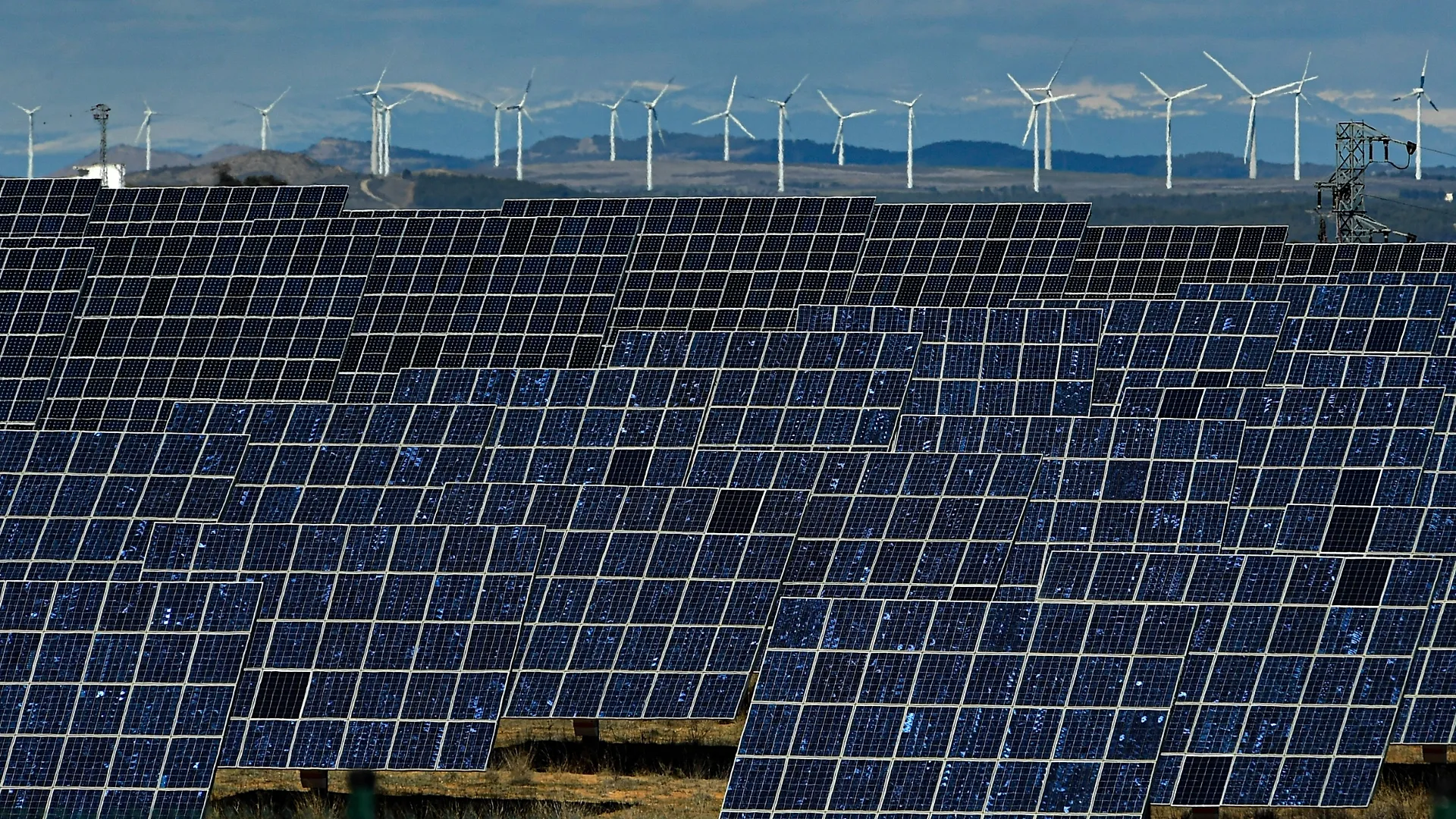
To bridge this gap, the agreement introduces coordinated policy support, financing, and industry cooperation. Between 2026 and 2028, the EU aims to add approximately 45 GW of new energy storage capacity, increase annual deployment by at least 20% compared with 2025 levels, and expand battery-backed Power Purchase Agreements (PPAs) from 1.5 GW to 4.5 GW. Twenty-two Member States have also pledged national deployment commitments totaling 30–35 GW, providing greater certainty for future investment.
A Milestone for Commercial & Industrial Energy Storage
One of the agreement's most significant achievements is its first-ever quantitative targets dedicated to Commercial & Industrial (C&I) energy storage.
The EU plans to increase co-located battery storage in C&I renewable energy projects from 5% in 2026 to 20% by 2028, while expanding installed C&I battery storage capacity from 9 GWh to 24 GWh. Industrial thermal energy storage capacity is also expected to triple during the same period.
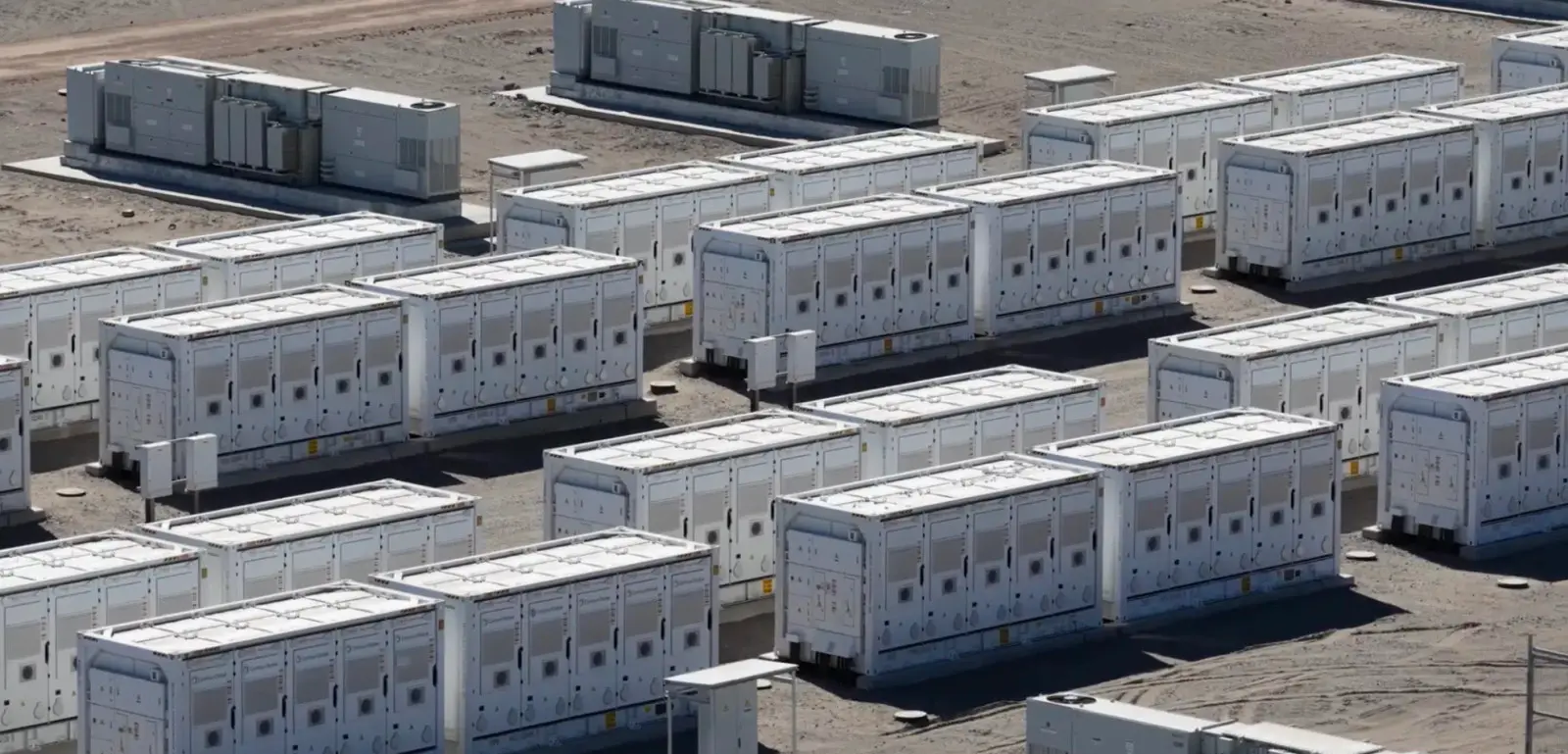
These targets demonstrate that C&I battery storage has become a strategic priority for Europe's energy transition. As more businesses adopt on-site renewable energy, demand for battery storage will continue to grow across applications including peak shaving, load shifting, backup power, and participation in Virtual Power Plants (VPPs).
Opportunities for Energy Storage Suppliers
For manufacturers, the agreement signals continued long-term demand across Europe. However, market competition will increasingly depend on more than battery performance alone.
European customers are placing greater emphasis on product safety, international certifications, localized technical support, and reliable project delivery. Companies capable of providing complete residential and C&I energy storage solutions are expected to be better positioned as the market continues to mature.
For ZETATECH, this aligns with the company's strategy of delivering safe, reliable, and intelligent battery energy storage solutions for residential and commercial applications, helping customers improve energy efficiency while supporting Europe's transition toward a cleaner and more resilient power system.
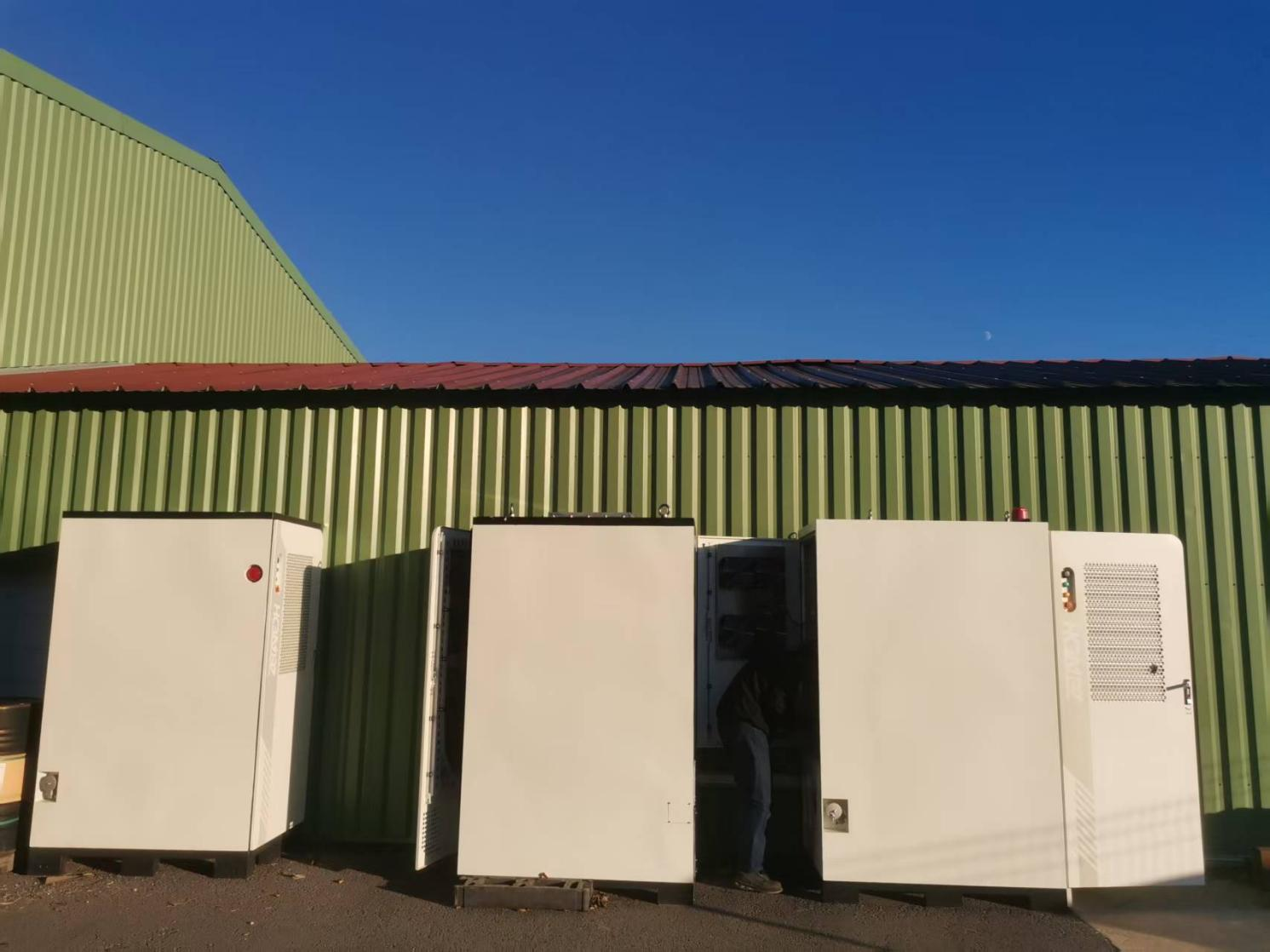
Regarder à l'avenir
The EU Tripartite Agreement provides one of the clearest policy signals yet that battery energy storage will play a central role in Europe's future power system. With ambitious deployment targets, stronger financial support, and dedicated commitments for the C&I sector, the agreement is expected to accelerate investment throughout the energy storage value chain and create long-term opportunities for innovative solution providers across Europe.